Premier Co-op
Overcrowding
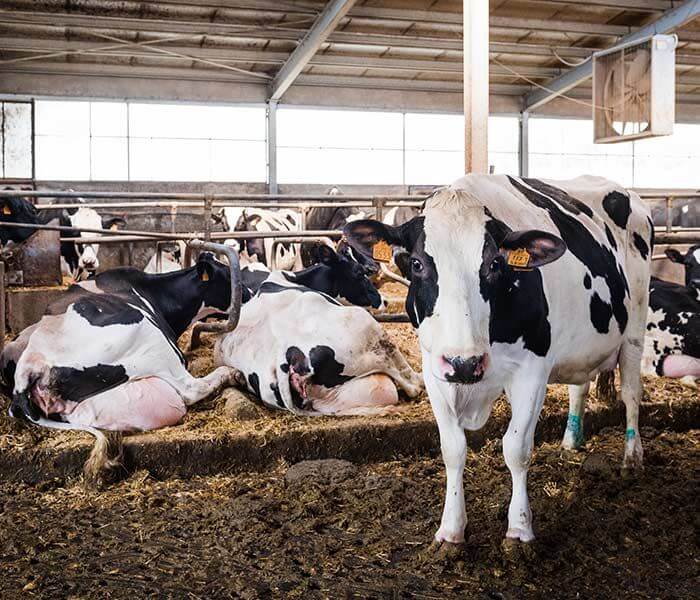
After nearly a decade in this role, it is not often a question of “if” herds are overcrowding, but more so “how much”? There are a ton of factors to consider whe...
Mar 31, 2026
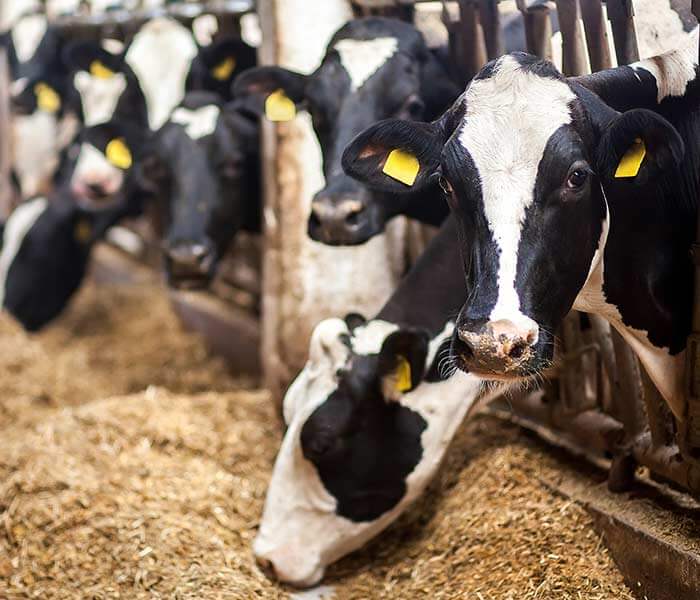
Today’s dairy and beef operations rely heavily on accurate forage inventory planning. Feed costs remain one of the largest contributors to overall expenses, and even small miscalculations can result in unplanned purchases before the next harvest. Key elements of effective forage management include proactive planning, understanding shrink and waste, accurately estimating animal numbers, and feeding consistent dry matter amounts.
Effective forage planning starts with an accurate assessment of current and future herd size, including both milking cows and young stock. It is recommended to maintain enough extra forage to account for weather-related delays and yield/quality reductions. Regularly tracking forage usage and remaining inventory throughout the year provides early insight into potential shortages, allowing farms to adjust rations proactively.
Shrink is often one of the most significant—and underestimated—factors affecting forage inventory. Reducing shrink starts with proper preparation, including:
Daily management is equally important. Consistent defacing and cleaning of the mixing area helps reduce waste and maintain forage quality.
Accurate moisture measurements are essential for feeding the correct diet and managing forage inventories. Many farms conduct weekly moisture checks using tools such as a Koster tester to maintain consistency and adjust rations as needed.
Managing farm feeds is something that should be done regularly, and doing so can reduce the chance of an unplanned expense. For all your feed related needs, please reach out to your local Premier Cooperative representative.

Chad Lange
Livestock Nutritionist